


Weight is one of the most consistently modifiable factors in osteoarthritis (OA), particularly at the knee, but it's worth understanding what the evidence actually supports rather than chasing an arbitrary target number.
Why Weight Matters Mechanically
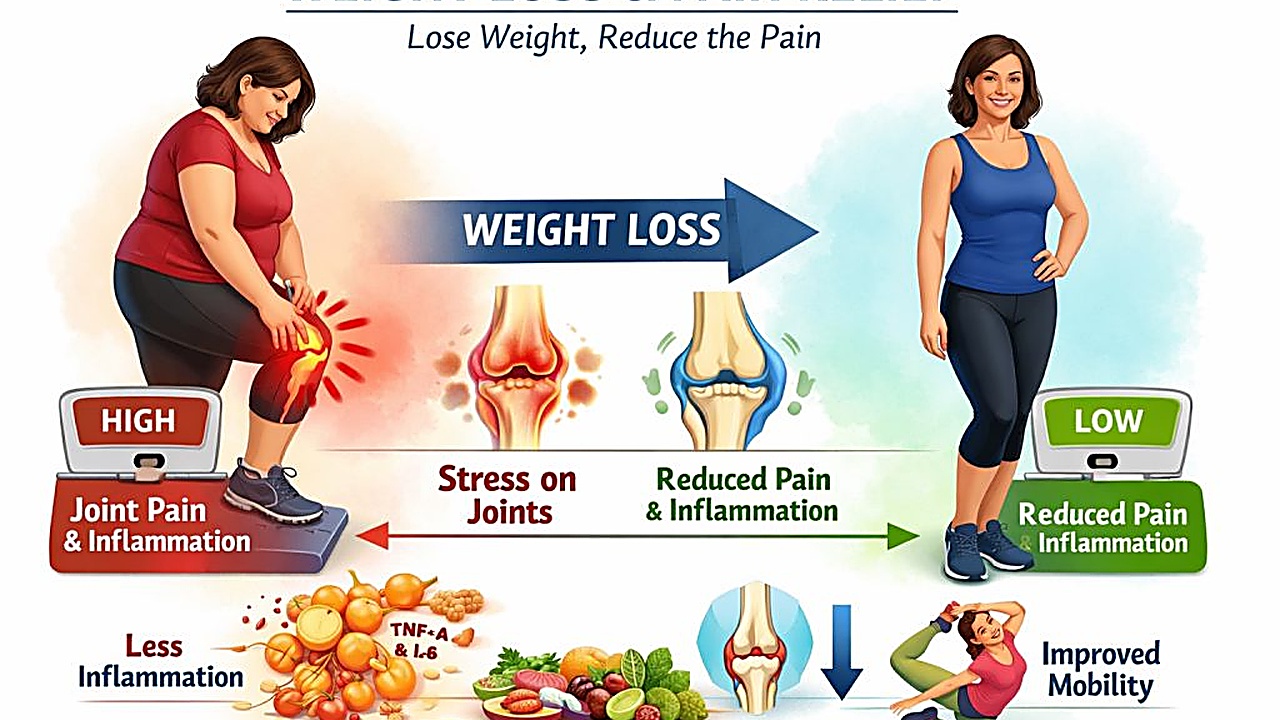
Body weight contributes to the mechanical load experienced by weight-bearing joints such as the knee. Reducing body weight therefore reduces the load placed on the joint during everyday activities.
What the Guidance Actually Recommends
For people with osteoarthritis who are overweight or living with obesity, weight loss can reduce pain and improve physical function. NICE is specific on this point: any amount of weight loss is likely to be beneficial, and losing 10% of body weight is likely to provide greater benefit than losing 5%. There isn't a single minimum threshold below which weight loss "doesn't count". The guidance is that more tends to help more, and any genuine progress is worthwhile.
Weight Loss Works Best Alongside Exercise, Not Instead of It
Weight management and exercise can complement each other. Exercise helps maintain or build strength and physical capacity, while weight management can reduce the mechanical and metabolic burden associated with excess body weight.
This is worth emphasising because weight loss is sometimes presented to patients as a standalone fix, or worse, as something to achieve before starting exercise. That framing can be counterproductive: appropriately prescribed exercise can be beneficial regardless of a person's starting weight, with the programme adapted to their current capacity, symptoms and goals. Waiting to "lose the weight first" often just delays the benefits of movement.
A Realistic, Sustainable Approach
Even modest reductions in body weight can be worthwhile. NICE recommends supporting achievable weight-loss goals, with evidence suggesting that greater weight loss tends to provide greater benefits for pain and physical function. A sustainable, gradual approach that a person can actually maintain is more useful than an aggressive short-term target that isn't realistic to sustain.
Read More
Still have questions?
Read quick, direct answers to the questions people most commonly ask about osteoarthritis.
Osteoarthritis: Frequently Asked QuestionsReferences
- National Institute for Health and Care Excellence (NICE). Osteoarthritis in over 16s: diagnosis and management (NG226). 2022.
- World Health Organization. Osteoarthritis. Fact sheet. 2023. (Background on OA prevalence and risk factors, including obesity.)
Get in touch with us today for a structured plan that combines exercise and, where relevant, weight management guidance tailored to your joint and your goals.